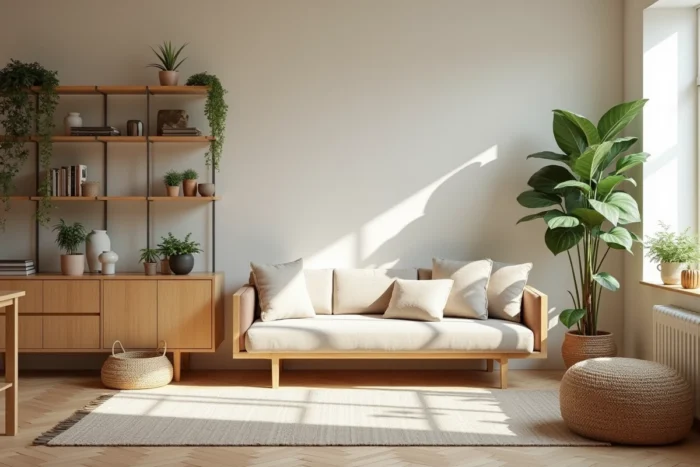
The Nordic style in interior decoration is based on a few measurable constants: dominance of light shades, a high proportion of natural materials, and furniture with clean lines. Recent trends nuance this foundation. Pure white is giving way to warm neutrals, dark wood is gaining ground, and artisanal ceramics are gradually replacing graphic posters as character elements. Here are ten concrete interior design ideas to transform your home with an updated Nordic style.
1. Warm Nordic colored walls instead of pure white
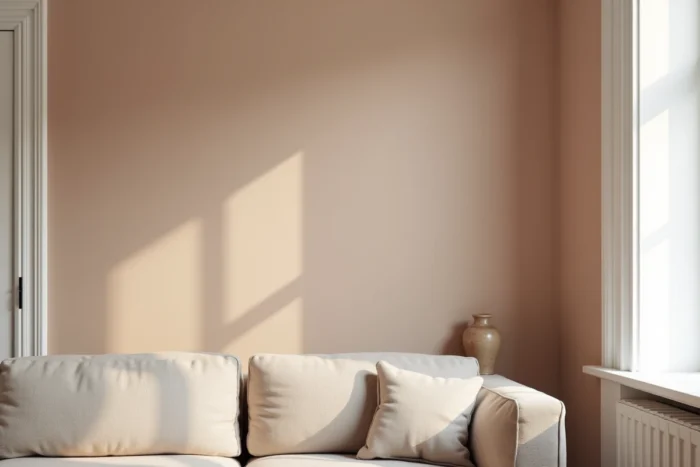
Trend guides for 2026 indicate a clear shift: cool whites are being replaced by beiges, creams, and caramels grouped under the term warm nordic. Benjamin Moore highlights the shade Pale Oak as an alternative to pure white in Scandinavian interiors.
In practice, painting all the walls of a room in warm cream or greige produces a brightness comparable to white while eliminating the clinical aspect. For those seeking decor inspiration from maisonfjord.fr, this tonal approach is a good starting point.
More saturated tones (forest green, terracotta, olive, deep blue) work better on a single wall, paired with light furniture to maintain the bright balance characteristic of Scandinavian design.
2. Recycled dark wood flooring to anchor the space
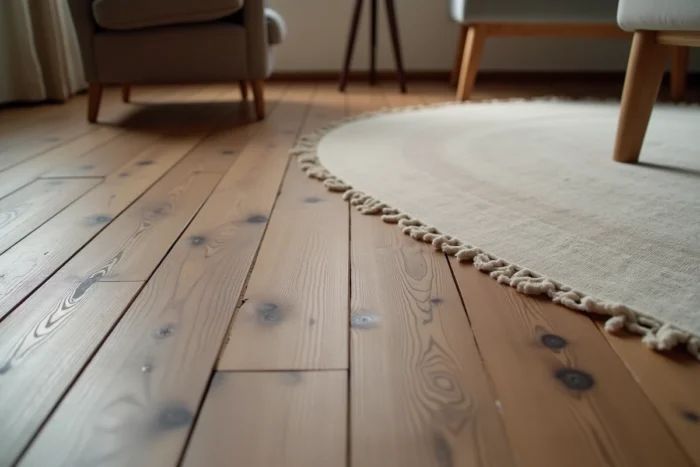
Light wood (birch, pine, ash) remains a marker of Scandinavian style. However, Stockholm’s living rooms highlight dark wood and recycled materials as a structuring trend for the upcoming seasons.
A smoked oak or recycled walnut floor adds depth without weighing down the room, provided that light walls and simple-lined furniture are maintained. The contrast of dark floors and light surfaces replicates a common scheme in Copenhagen and Stockholm apartments.
3. Artisan ceramics as a character piece
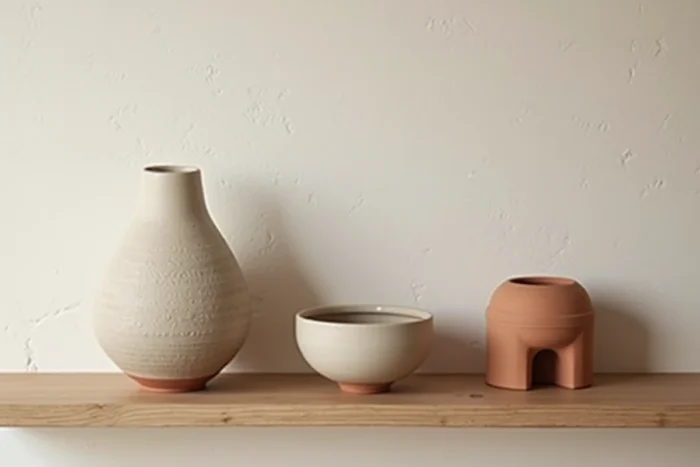
Competing content generally evokes natural materials. A more precise evolution deserves attention: warm and textured ceramics (vases, lamps, utilitarian objects) are establishing themselves as key pieces to add depth to Nordic interiors.
A glazed stoneware vase placed on a light wood console is enough to break the monotony of an overly smooth decor. Favor handmade pieces, where surface irregularities enhance the organic character sought in contemporary Scandinavian design.
4. Layered lighting to recreate hygge
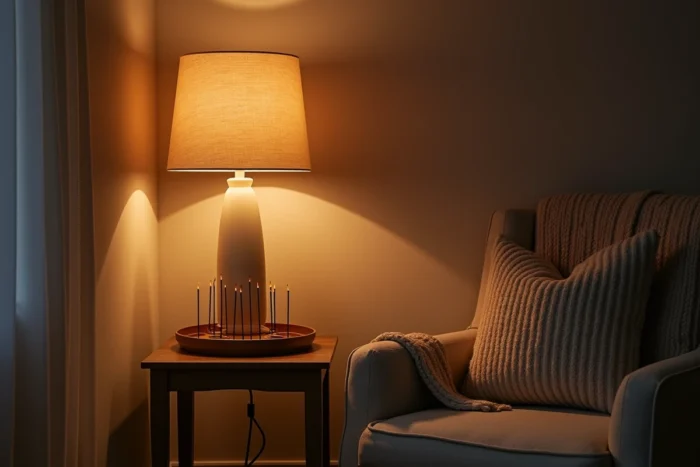
Light is the central element of the hygge concept. In Nordic countries, where winter is long and natural light is scarce, artificial lighting is designed in layers.
The principle is based on three overlapping levels:
- A low ambient light (candles, warm-colored fairy lights) that occupies the visual field at rest
- Accent lamps (arc floor lamp, ceramic table lamp) placed near reading or conversation areas
- A discreet ceiling light, used only when natural light is insufficient
This division avoids the trap of a single ceiling light that flattens volumes and removes any sense of coziness.
5. Multifunctional furniture with tapered legs for small spaces
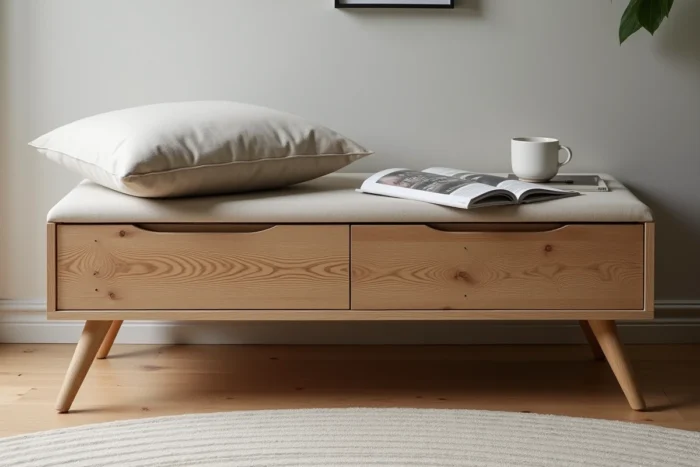
Scandinavian furniture is defined by functional simplicity. In a small space, a piece that combines storage and usable surface (coffee table with niche, entry bench with storage) reduces visual clutter.
The tapered legs, inherited from Danish design of the 1950s, remain a relevant choice: they lift the floor, lightening the perception of the room. Paired with light wood or bleached oak, they integrate effortlessly into a Nordic palette.
6. Layered textiles in natural fibers
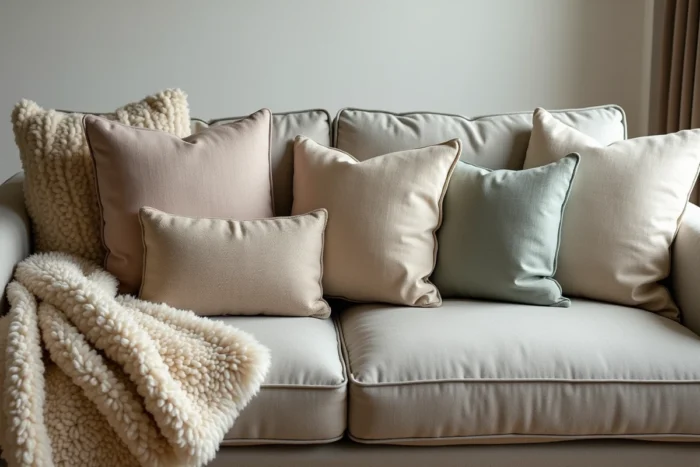
Linen, wool, woven cotton: layering natural textiles adds warmth without overloading the decor. A wool throw placed on a neutral sofa, two linen cushions in slightly different shades, and a flat-woven rug are enough to create a cohesive ensemble.
Varying textures rather than colors is key. A boucle wool cushion sits next to a smooth linen cushion in the same beige range, and the tactile contrast does the job that color achieves in other decorative styles.
7. Accent wall in forest green or terracotta
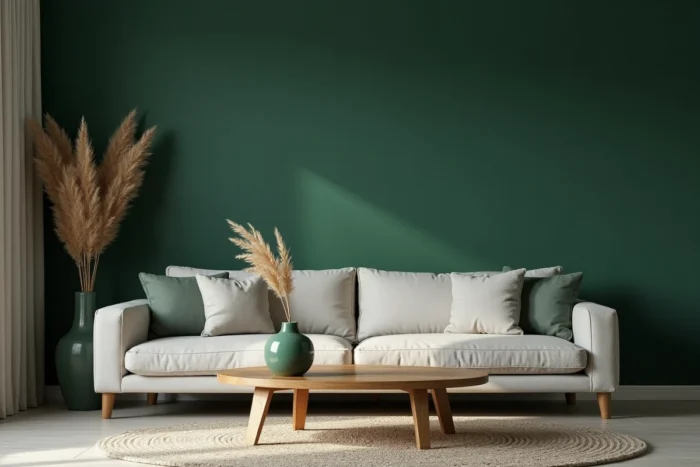
Warm Nordic trends allow for bolder shades than the usual pastels. An accent wall in forest green in a bedroom or terracotta in a living room creates a focal point without breaking the Scandinavian harmony.
The condition: the rest of the room remains understated (adjacent walls in cream or off-white, furniture in natural wood). The colored wall draws attention, and the surrounding natural materials prevent a saturated effect.
8. Open storage in slatted niches
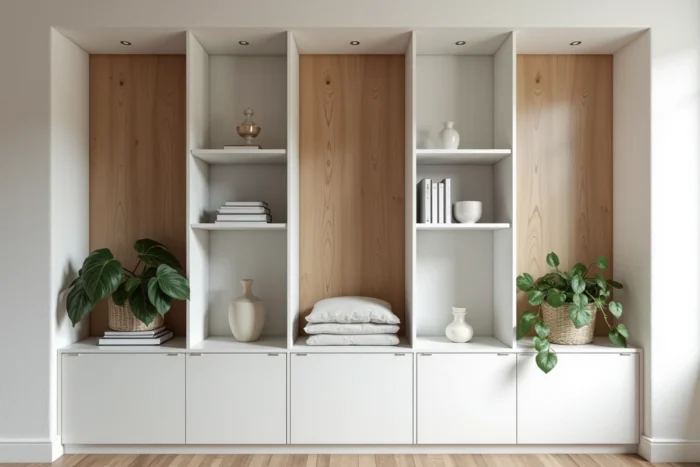
Open wall shelves and slatted niche bookshelves serve two functions in a Scandinavian interior: they separate spaces without blocking light and serve as decorative support.
A few books, a ceramic vase, a candle: the content remains uncluttered. The rule of thumb is to leave about one-third of each niche empty to preserve the sense of space characteristic of the Nordic style.
9. Rattan and wicker for accent seating
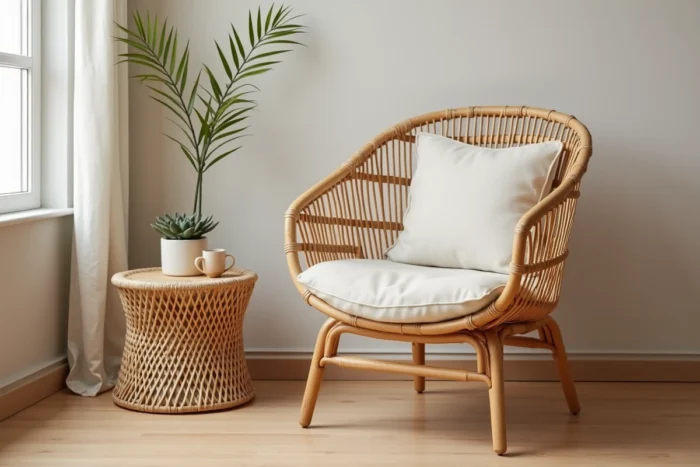
Rattan and wicker provide an organic texture that complements wood without competing with it. A rattan armchair placed in a reading corner or a wicker pendant above a dining table introduces a welcome material contrast.
These materials remain visually light, preserving the airy quality characteristic of Scandinavian design. They also age with a natural patina that enhances the authenticity of the decor over time.
10. Structuring green plants rather than decorative ones
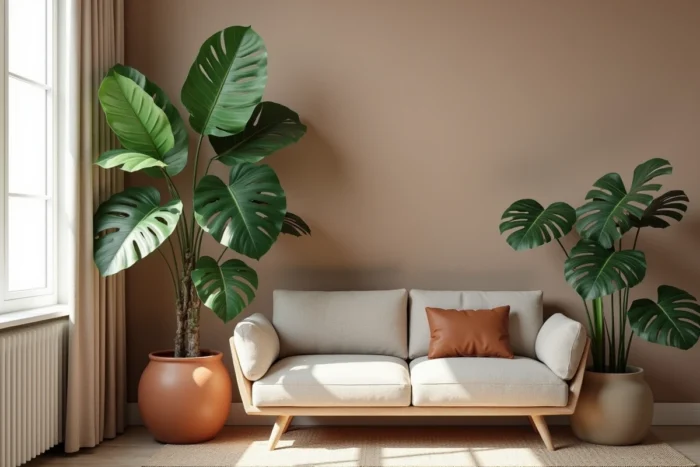
Nordic interiors integrate plants not just as simple ornaments, but as structuring elements of the room. A large plant (indoor olive, fiddle leaf fig, monstera) placed in a stoneware or terracotta pot draws the eye and creates a vertical volume that balances the horizontal lines of the furniture.
Two to three plants of different sizes distributed throughout the room are sufficient. Multiplying small pots on every available surface produces the opposite effect: a visual clutter incompatible with the clean aesthetic of Scandinavian style.
The common thread of these ten arrangements remains the same: each added element must justify its presence by its function or by the texture contrast it brings. A successful Nordic interior is recognized as much by what it contains as by what it has chosen not to include.