The sports equipment market is undergoing a rapid restructuring. Training formats are evolving, home practices are becoming more technical, and brands like Asics, Nike, and Adidas are adjusting their ranges to meet increasingly segmented expectations. This article reviews the dynamics reshaping the available offerings for sports enthusiasts in 2025 and beyond.
Functional fitness and Hyrox: how a competition format transforms equipment
Hyrox-style competitions, which combine running and chained functional exercises, have given rise to a whole new category of equipment. Galaxus data for 2025 indicates strong growth in sales of kettlebells, pull-up bars, and push-up handles, directly linked to this enthusiasm.
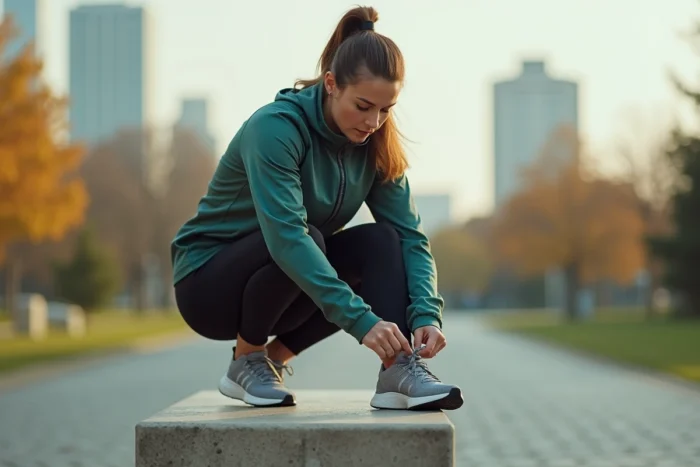
This phenomenon goes beyond a simple trend. Practitioners of these hybrid formats seek versatile equipment that can be used both in the gym and at home, calibrated for efforts combining endurance and strength. A classic pair of running shoes is no longer sufficient: brands are developing models with flatter soles, offering better stability during transitions between running and floor exercises.
To find this type of functional equipment suitable for both competition and daily training, specialized retailers like Az Sport offer a range covering both running shoes and strength accessories.
Home gym: the shift towards performance equipment at home
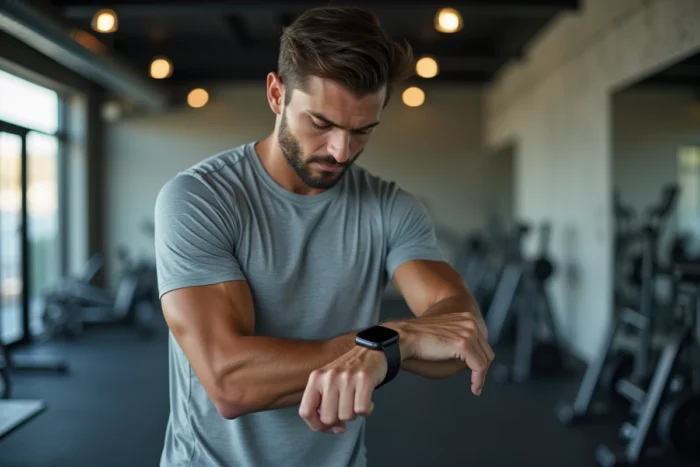
Home training is no longer just an exercise bike in the corner of a room. Galaxus documents a clear trend towards the professionalization of the home gym, with a shift away from basic cardio equipment in favor of functional and technical devices.
Speed bikes, spinning bikes, traction aids: demand is shifting towards equipment that replicates the conditions of gym training. The decrease in prices for certain categories of equipment accelerates this transition, making accessible a level of practice that was previously reserved for professionals.
What is changing in purchasing behavior
The average basket is evolving. Athletes are investing less in guided movement machines and more in modular accessories. A compact squat rack, a pair of adjustable kettlebells, and a wall-mounted pull-up bar now cover most needs for a complete functional workout.
Field feedback diverges on one point: the durability of entry-level equipment sold online. Discounted equipment allows for a start, but regular practitioners often end up replacing their initial purchases after a few months of intensive use.
Running and competition shoes: what Asics, Nike, and Adidas offer
The running shoe segment remains the most competitive in the market. Each seasonal edition brings its share of innovations, and the three major brands adopt distinct strategies.
- Asics focuses its efforts on cushioning and stability, with midsole foams aimed at reducing muscle fatigue over long distances. The Gel-Nimbus range remains a reference for regular runners seeking comfort.
- Nike continues its logic of carbon plates in competition models while expanding its accessible running range. The price of high-end models remains a barrier for some practitioners.
- Adidas bets on Lightstrike Pro foam and the recycling of materials in several of its lines. Performance and environmental sustainability now coexist in the same pair.
The choice of a running shoe primarily depends on the type of stride, weekly training volume, and the terrain practiced. The available data do not allow for a universal winner among these brands, each catering to different biomechanical profiles.
Rackets and racket sports equipment: a market in restructuring
The racket segment is experiencing a resurgence of interest driven by the popularity of padel and, to a lesser extent, pickleball. These disciplines attract an audience that did not resonate with traditional tennis, and manufacturers are adapting their offerings.
Padel generates a specific demand for rackets, with shapes (round, diamond, tear-drop) that directly influence the style of play. Beginner players tend to choose round rackets for more control, while competitors prefer diamond models for power.
In tennis, the trend is towards lighter frames without loss of rigidity. Competition ranges incorporate lighter composite materials, altering the feel of strikes and requiring an adjustment period for players used to heavier rackets.
Seniors programs and personalized coaching: an offer in structuring
The ACSM and several syntheses published in 2025 highlight the maintenance of specific programs for seniors among the major fitness trends. Adapting sports equipment for practitioners over 60 is becoming a development focus for manufacturers as well as coaches.
On the equipment side, this translates into progressive tension resistance bands, shoes with reinforced non-slip soles, and balance accessories (proprioceptive boards, unstable cushions). Personalized coaching, supported by applications using artificial intelligence, allows for adjustments to sessions based on individual progress.
Data on the long-term effectiveness of these programs remains patchy. Most feedback comes from short-term studies or user testimonials, making it difficult to make a definitive assessment of their impact on injury prevention among aging athletes.
The sports equipment market is fragmenting into increasingly specialized niches. Sports enthusiasts are gaining more options, but the multiplication of ranges and editions makes the choice more complex. Testing equipment before purchase, in-store or through rental, remains the most reliable method to avoid mistakes, regardless of the sport practiced.