
What criteria distinguish a destination that deserves a prolonged detour from a simple photogenic spot during a trip around the world? Recent data shows that international tourist flows are rapidly redistributing: some countries are gaining a massive share of travelers while others are experiencing a marked decline. Analyzing these movements helps identify destinations where the experience truly justifies the journey.
Global Tourist Flows: Which Destinations Are Progressing in 2026
Visitor trends reveal significant disparities between rising destinations and those that are stagnating. The table below summarizes the dynamics observed for the most cited countries in recent comparative analyses.
| Destination | Trend 2025-2026 | Main Factor |
|---|---|---|
| Japan | Very strong increase | Cultural immersion, gastronomy |
| Portugal | Marked increase | Value for money, climate |
| Malaysia | Significant increase | Less saturated alternative to Thailand |
| United States | Unprecedented decline among major destinations | Drop in visitor numbers in one year |
This shift is not coincidental. Japan, Malaysia, and Portugal are capturing an increasing share of travelers because they meet a specific demand: cultural immersion and gastronomy rather than adventure or luxury.
An international report published in August 2026 by Euronews Travel confirms that travelers place cultural immersion above the search for adventure or luxurious stays. Spending is primarily focused on food and culinary experiences, far ahead of adventure or wellness activities.
To refine your selection, the destinations on Voyages 365 allow you to compare countries according to your travel priorities.

Duped Destinations: Less Saturated Countries Offering Comparable Experiences
The phenomenon of “duped destinations” is reshaping the travel map around the world. The principle: choose a country that offers landscapes, culture, and gastronomy similar to a famous destination, but with much lower visitor numbers and reduced costs.
Tourist flows are gradually diverting towards fresher and less saturated alternatives. This trend, measured in global booking data in 2026, affects both Southeast Asia and Southern Europe.
Three Concrete Examples of Alternative Destinations
- Malaysia is increasingly replacing Thailand for travelers seeking beaches, tropical nature, and street food. The tourist pressure remains significantly lower, preserving the authenticity of the islands and coastal villages.
- Portugal attracts those who would have chosen Spain or Italy. The country combines a rich historical heritage, recognized culinary life, and favorable climate, with a more advantageous value for money in accommodation and dining.
- Albania and Georgia are rising in Europe as alternatives to classic Mediterranean destinations, offering mountain and coastal landscapes still preserved from mass tourism.
The selection criterion is no longer the fame of the country, but the quality of the experience relative to tourist saturation. A trip around the world that includes these alternative destinations gains in diversity without sacrificing the sense of adventure.
Traveling Around the World: How Gastronomy Redefines Itineraries
Food is no longer an afterthought of travel. It has become the main driving force for an increasing share of international travelers. Culinary spending now exceeds that dedicated to adventure activities in travel budgets, according to 2026 data.
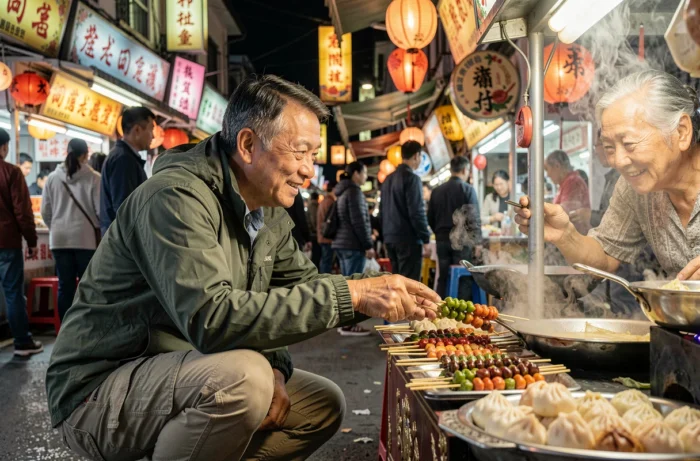
Japan perfectly illustrates this shift. The density of restaurants, street markets, and culinary experiences (from Osaka’s izakayas to Kyoto’s markets) largely explains the record influx of visitors. Japanese culinary culture is not limited to sushi: regional ramen, kaiseki, and neighborhood yakitori create a culinary journey in their own right.
Malaysia offers comparable diversity at a lower cost. Malaysian cuisine blends Chinese, Indian, and indigenous influences in hawker centers accessible to all budgets. Penang, often cited as the informal capital of street food in Southeast Asia, justifies a prolonged stop on its own.
Building an Itinerary Around Local Culture
Focusing on destinations where gastronomy is embedded in a broader cultural fabric changes the logic of the itinerary. Instead of ticking off tourist sites, the journey is built around markets, vibrant neighborhoods, and regional culinary traditions.
Portugal naturally fits into this approach. Lisbon, Porto, and the Algarve each offer a distinct culinary identity, from pastéis de nata to grilled seafood to Douro wines. The country allows for a combination of city, coastal nature, and culinary culture over short distances.
Planning a Round-the-World Trip: The Criteria That Really Matter
Lists of “dream destinations” all look alike. What differentiates a successful round-the-world trip from a series of flights are the selection criteria applied at each stage.
- The level of tourist saturation: a natural site or city loses its appeal when visitor numbers exceed capacity. Checking recent flow trends avoids disappointments.
- The depth of accessible culture: some countries offer a quick immersion (language, local interactions, open markets), while others remain opaque to passing travelers.
- The relationship between the cost of living on-site and the quality of the experience: a long stay in an affordable country is better than three short stops in expensive destinations.
- Air connectivity: hubs like Bangkok, Lisbon, or Tokyo facilitate connections without multiplying costly domestic flights.
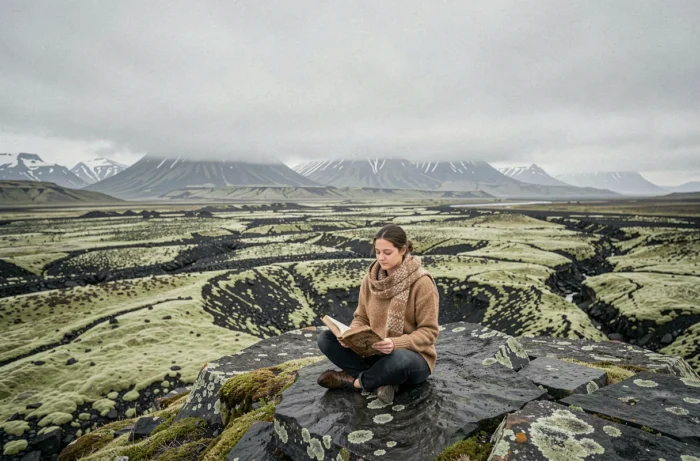
The marked decline of the United States in international tourist flows shows that a country’s notoriety no longer guarantees its attractiveness. Travelers are redirecting their budgets towards destinations where cultural and culinary experiences take precedence over the prestige of the destination itself.
A round-the-world trip built on these criteria produces a more coherent itinerary. Japan for its cultural and culinary density, Portugal or Malaysia for value for money and authenticity, an emerging destination like Albania or Georgia for off-the-beaten-path discovery: these combinations reflect the reality of traveler flows in 2026 much better than a list of postcards.