The decor and garden trends for 2026 mark a clear shift from previous years. The choice of materials, plants, and furniture no longer responds solely to aesthetic criteria: climate resistance, material durability, and the functionality of outdoor spaces now weigh as heavily as the color palette in design decisions.
Resilient gardens facing climate change: the new foundation of outdoor design
Since 2024, landscape professionals have noted a marked increase in requests for gardens designed to withstand droughts and heatwaves. Traditional lawns are giving way to resilient ground covers, mineral mulches, and plants suited to prolonged heat episodes.
The RHS Chelsea Flower Show confirmed this shift: naturalistic planting, reclaimed materials, and drought-resistant species have become dominant. This is no longer a niche reserved for Mediterranean gardens; it is a structural direction that also affects temperate regions.
Zen corners incorporating ponds, shaded areas, and suitable plants are gaining ground. The idea is not to abandon aesthetics but to start from climate constraints to build a sustainable outdoor space. A garden designed around water management and natural shade ages better than a purely decorative layout, and several field reports published in Déco et Jardin articles support this.
Outdoor furniture in 2026: natural materials and the end of all-resin
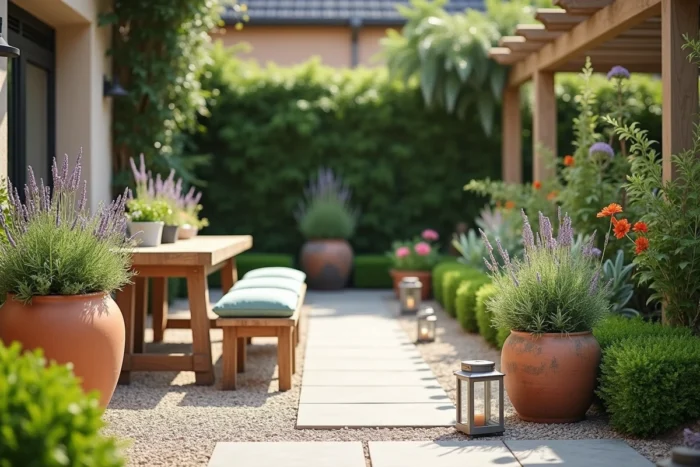
Wicker resin garden furniture, ubiquitous in recent years, is losing ground. Garden lounges now favor combinations of wood (acacia, certified eucalyptus) and treated metal, sometimes combined with braided rope. Field reports vary on the actual durability of some cheap exotic woods, but the trend towards mixed wood-metal furniture is clear.
Rounded shapes dominate the 2026 collections. Straight lines and sharp angles give way to enveloping armchairs, tables with curved edges, and modular benches. This choice is not just aesthetic: rounded shapes occupy narrow terraces better and facilitate movement.
Three criteria for choosing durable garden furniture
- The UV resistance of the coating or finish: furniture that grays or fades in one season poses a medium-term cost issue, regardless of the material
- The weight of the pieces: an overly light armchair can blow away in the first storm, while an overly heavy armchair never moves, which freezes the layout
- The compatibility of cushions with regular washing: Oeko-Tex water-repellent fabrics are gradually replacing traditional covers that mold at the end of the season
Garden and terrace color palette: gray disappears
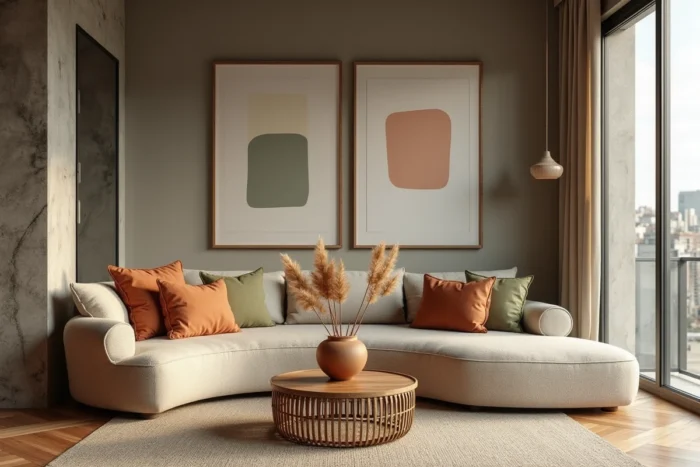
Gray, long the default color for terraces and outdoor furniture, is clearly declining in 2026. Terracotta, ochre, and sage green shades are replacing it on facades, pots, and outdoor textiles. This shift is also observed in exterior facade paints, where warm mineral tones are taking over.
Soft and timeless palettes are asserting themselves against stark contrasts. A range of beige, sand, and olive green creates a visual continuity between the inside and outside, which remains one of the strong axes of decor in 2026.
However, available data do not allow conclusions about the durability of these shades outdoors compared to more neutral anthracite grays against UV. Choosing a warm color implies more frequent maintenance of painted or tinted surfaces.
Trendy plants for 2026: hydrangeas, echinaceas, and the end of classic geraniums
The renewal of plant palettes follows a precise logic. Panicled hydrangeas and echinaceas are among the most requested plants this year, while the classic balcony geranium is losing its reference status. Heat-resistant varieties that require little watering are capturing the attention of garden centers.
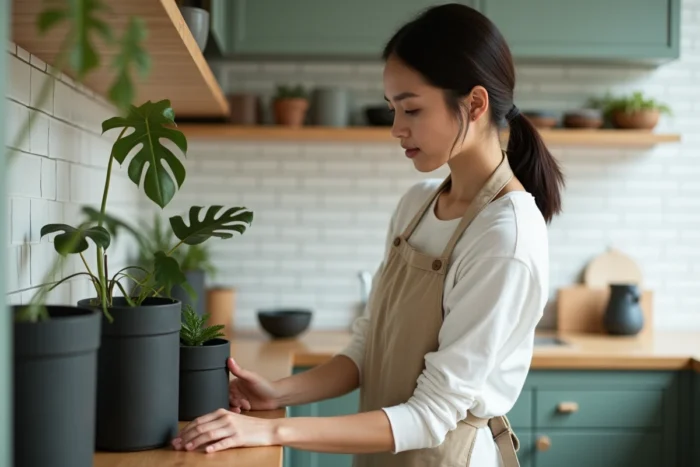
For indoors, the method of greening room by room is gaining popularity. The idea is to adapt species to the brightness and humidity of each room rather than grouping all plants in the living room. Indoor plants with graphic foliage (monstera, alocasia) remain present, but trailing species and mini container gardens are on the rise.
Plant selection based on exposure
- Full south with strong heat: lavenders, ornamental grasses, echinaceas, which tolerate drought without daily watering
- Partial shade or north exposure: panicled hydrangeas, ferns, hostas, which can withstand limited sunlight
- Urban balcony with little soil depth: container plants, compact herbs, sedums in planters
Designing small outdoor spaces: terraces and balconies in 2026
Optimizing small outdoor areas remains a major focus. Vertical gardens and stacked planter systems allow for greening a few square meters of balcony without sacrificing floor space. Folding or stackable furniture is becoming a rational choice against fixed sets that clutter small terraces.
Autonomous solar lighting is also progressing in this segment. Solar strings and posts are replacing wired installations, simplifying setup and eliminating the constraint of an outdoor outlet. Motion-sensor models find their place in entrances and narrow pathways.
Thus, outdoor decor in 2026 is built on a balance between climate adaptation, the choice of sustainable materials, and a renewed plant palette. The spaces that age best are those where every element, from furniture to plantings, has been designed to withstand the actual conditions of the location rather than to adhere to a fleeting trend.